
Does Homeowners Insurance Cover Fallen Trees on Fences and Sheds in Florida?
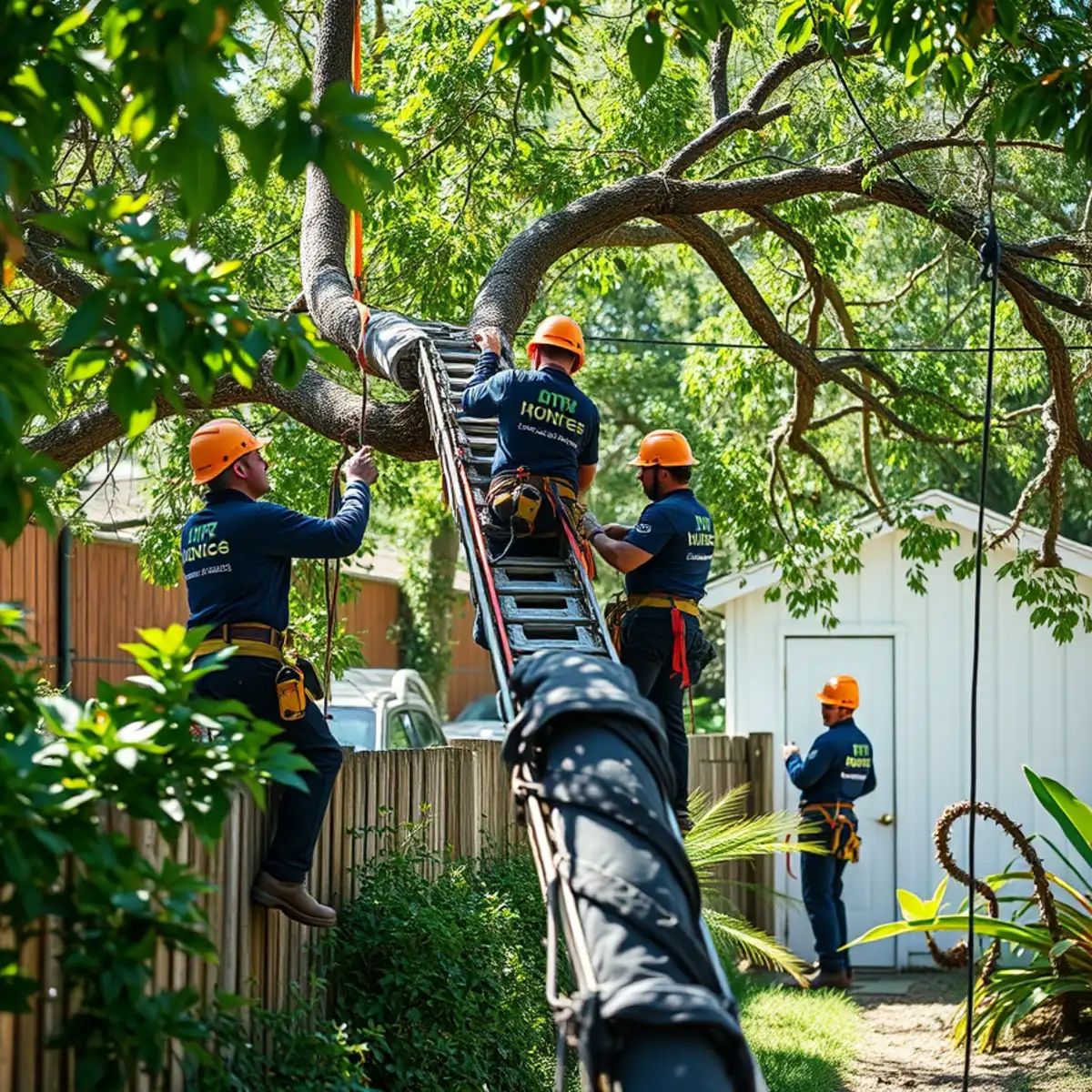
After severe Florida weather, one of the most common disputes between neighbors involves fallen trees: 'My neighbor's pine tree fell on my fence during the storm—who pays for it?' Understanding Florida property law and standard HO-3 insurance coverage can save thousands of dollars and preserve neighborhood relationships.
The 'Act of God' Principle in Florida Property Law
Under Florida law, when a healthy tree topples due to high storm or hurricane winds, it is classified as an 'Act of God'. Regardless of where the tree's roots were planted, the owner of the property where the tree lands must file the claim through their own homeowners insurance policy. Your neighbor is generally not liable unless you can prove they received written notice that the tree was dead and hazardous prior to the storm.
Coverage Limits for Fences, Sheds, and Detached Structures
Standard Florida policies cover detached structures under 'Coverage B' (usually 10% of your primary dwelling coverage limit). Insurers will typically pay up to $500 to $1,000 per fallen tree for debris removal from a covered structure, plus the cost to repair or replace the damaged fence or shed.
What If the Tree Falls Harmlessly on Open Lawn?
If a fallen tree does not hit a covered structure (house, fence, shed, pool cage) and does not block a driveway or disability ramp, insurance companies generally do not pay for debris removal. In that scenario, tree cleanup is an out-of-pocket homeowner responsibility.
Coverage Limits for Fences, Sheds, and Detached Structures
Fences, storage sheds, detached garages, and carports fall under 'Coverage B: Other Structures' in standard Florida homeowners policies. This coverage is typically capped at 10% of your primary dwelling coverage. Furthermore, policies frequently impose specific $500 to $1,000 sub-limits for the actual tree removal portion, paying the remaining balance toward fence repair.
How to Avoid Disputes Between Neighbors After Storm Events
Under Florida law, when a healthy tree falls across a property boundary during a storm, each property owner is responsible for the portion of the tree and damage on their side of the property line. However, if you sent prior written notice alerting your neighbor of a documented hazard tree, their insurer may be held liable for negligence.
Professional Tree Care Standards & Real-World Tradeoffs
Managing mature trees across Lehigh Acres and Lee County presents challenges unique to Southwest Florida. With an annual rainfall average near 56 inches, high water tables, and saturated sandy subsoils, trees face structural root shear during summer microbursts and tropical storm cycles.
Cutting corners—whether through improper “hurricane cuts”, aggressive flush-cuts, or driving 30-ton bucket trucks across buried septic systems—inevitably leads to accelerated decay, pest infestations, or costly property repairs.
We maintain branch collar integrity and natural branch defense zones. We never top shade trees or remove more than 20–25% of live foliage in a single season.
Traditional rope-and-saddle access allows us to work inside fenced backyards, canal banks, and over pool enclosures without heavy machinery damaging sandy lawns or septic tanks.
Property Owner Action Plan & Maintenance Checklist
Essential verification steps recommended before and during Florida storm season:
| Inspection Phase | Action Item | Safety & Compliance Value |
|---|---|---|
| 1. Ground & Root Assessment | Check root flare for fungal conks, loose soil mounding, or decayed roots. | Identifies catastrophic root-plate instability before high winds. |
| 2. Clearance & Deadwood | Prune branches overhanging roofs, power lines, and pool lanai cages. | Prevents structural roof punctures and gutter abrasion. |
| 3. Canopy Aerodynamics | Selectively thin interior secondary branches to reduce wind drag. | Allows hurricane gusts to blow through without uprooting the tree. |
| 4. Precision Climbing | Engage licensed climbers utilizing friction lowering blocks. | Eliminates heavy crane ruts and guarantees zero lawn compaction. |
Related Services & Local Service Areas
Need assistance with this topic on your property? Explore our dedicated service and municipal location resources:
Questions & Answers About This Guide
Practical advice from experienced Florida tree workers.
You must have certified arborist inspection reports or dated certified letters sent to the neighbor prior to the storm noting visible rot, decay, or deadwood.
About T's Trees and Landscaping
T's Trees and Landscaping is Lehigh Acres' hometown tree care specialist, providing 15+ years of traditional rope-and-saddle climbing, zero lawn rutting, and 24/7 storm damage recovery across Lee County.
Call (855) 615-0568 for a Free Written QuoteProtect Your Home Before the Next Storm Hits
Get a free on-site hazard assessment from Lehigh Acres' traditional climbing specialists. Zero lawn rutting, zero septic tank damage, and 24/7 emergency response.