
Sanibel and Captiva Native Tree Restoration: Best Practices Post-Hurricane
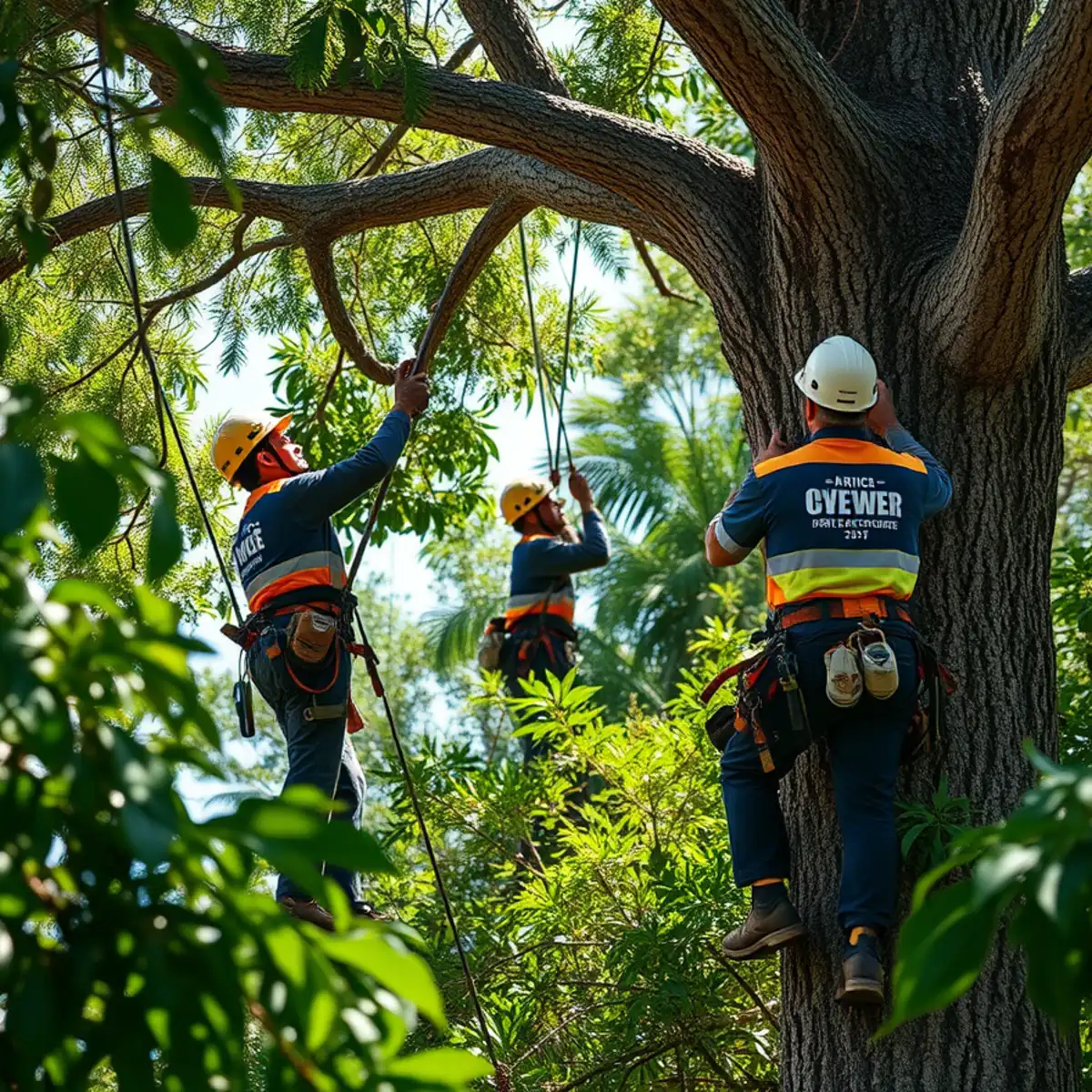
The barrier islands of Sanibel and Captiva represent one of Florida's most ecologically sensitive coastal habitats. In the wake of major storm surges and hurricane wind devastation, restoring the island canopy requires strict adherence to native plant biology and local conservation laws.
Complying with the Sanibel Vegetation Code
The City of Sanibel strictly enforces vegetation standards designed to protect native coastal hammocks. Property owners must preserve native trees (such as Gumbo Limbo, Buttonwood, and Pigeon Plum) and are prohibited from planting invasive non-natives. Our arborists guide clients through full city permit compliance.
Remediating High Soil Salinity After Storm Surges
When saltwater overtops barrier island yards, salt accumulates in the upper root zone, causing chemical leaf burn and root necrosis. We recommend deep-leaching soils with fresh water and incorporating organic compost before planting new native trees.
Top Hurricane-Resistant Native Island Trees
For long-term storm survival on the islands, plant: (1) Gumbo Limbo (resilient flex branches and rapid wound healing); (2) Buttonwood (exceptional salt flood tolerance); (3) Sea Grape (thick wind-buffering foliage); and (4) native Sabal Palm (the Florida state tree with unmatched wind resistance).
Sanibel Vegetation Committee Compliance and Native Replacement
The City of Sanibel strictly regulates tree removal and landscape vegetation under the Sanibel Plan. Native species such as Gumbo Limbo (Bursera simaruba), Seagrape (Coccoloba uvifera), and Buttonwood (Conocarpus erectus) are legally protected. Our team coordinates directly with city environmental planners to prepare required site restoration permits.
Leaching Soil Salinity and Restoring Barrier Island Root Zones
Catastrophic storm surges leave barrier island soils saturated with toxic levels of ocean salt, desiccating root plates and stunting tree growth. Proper recovery requires deep freshwater flushing, gypsum soil amendments to displace sodium ions, and heavy organic wood chip mulching to restore beneficial soil microorganisms.
Professional Tree Care Standards & Real-World Tradeoffs
Managing mature trees across Lehigh Acres and Lee County presents challenges unique to Southwest Florida. With an annual rainfall average near 56 inches, high water tables, and saturated sandy subsoils, trees face structural root shear during summer microbursts and tropical storm cycles.
Cutting corners—whether through improper “hurricane cuts”, aggressive flush-cuts, or driving 30-ton bucket trucks across buried septic systems—inevitably leads to accelerated decay, pest infestations, or costly property repairs.
We maintain branch collar integrity and natural branch defense zones. We never top shade trees or remove more than 20–25% of live foliage in a single season.
Traditional rope-and-saddle access allows us to work inside fenced backyards, canal banks, and over pool enclosures without heavy machinery damaging sandy lawns or septic tanks.
Property Owner Action Plan & Maintenance Checklist
Essential verification steps recommended before and during Florida storm season:
| Inspection Phase | Action Item | Safety & Compliance Value |
|---|---|---|
| 1. Ground & Root Assessment | Check root flare for fungal conks, loose soil mounding, or decayed roots. | Identifies catastrophic root-plate instability before high winds. |
| 2. Clearance & Deadwood | Prune branches overhanging roofs, power lines, and pool lanai cages. | Prevents structural roof punctures and gutter abrasion. |
| 3. Canopy Aerodynamics | Selectively thin interior secondary branches to reduce wind drag. | Allows hurricane gusts to blow through without uprooting the tree. |
| 4. Precision Climbing | Engage licensed climbers utilizing friction lowering blocks. | Eliminates heavy crane ruts and guarantees zero lawn compaction. |
Related Services & Local Service Areas
Need assistance with this topic on your property? Explore our dedicated service and municipal location resources:
Questions & Answers About This Guide
Practical advice from experienced Florida tree workers.
Yes, even dead native trees generally require verification and documentation under Sanibel city ordinances before removal.
About T's Trees and Landscaping
T's Trees and Landscaping is Lehigh Acres' hometown tree care specialist, providing 15+ years of traditional rope-and-saddle climbing, zero lawn rutting, and 24/7 storm damage recovery across Lee County.
Call (855) 615-0568 for a Free Written QuoteProtect Your Home Before the Next Storm Hits
Get a free on-site hazard assessment from Lehigh Acres' traditional climbing specialists. Zero lawn rutting, zero septic tank damage, and 24/7 emergency response.