
What to Do Immediately After Hurricane Winds Down a Tree in Lee County
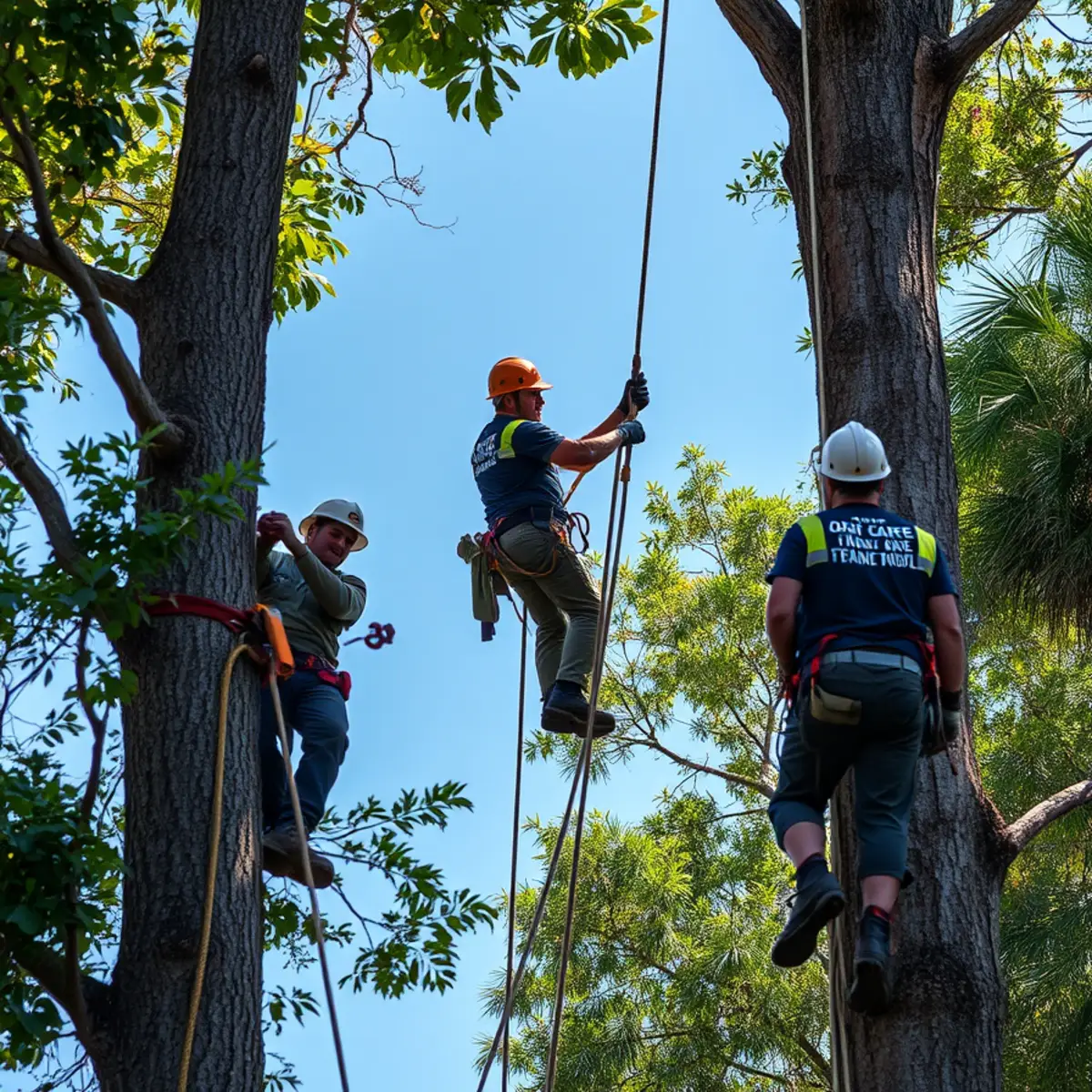
When the eye of a hurricane passes and tropical storm-force winds begin to subside, stepping outside to find a massive oak or pine tree crushed against your roof or across your driveway is overwhelming. Taking the wrong action in the first 30 minutes can risk electrocution, worsen structural collapses, or jeopardize your insurance claim.
Step 1: Treat Every Fallen Wire as Energized
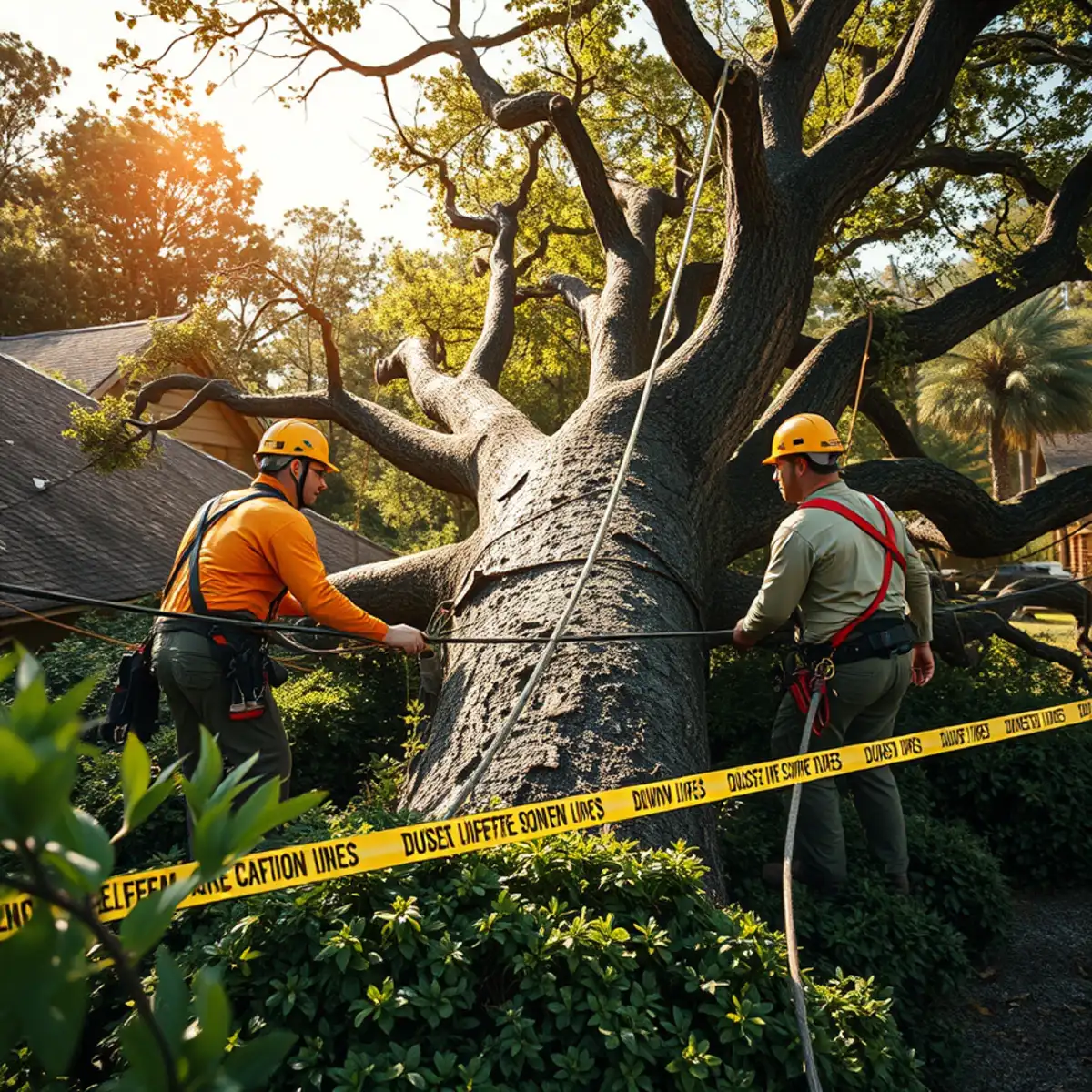
Downed power lines may be hidden beneath foliage or entangled in branches. Even if your neighborhood has lost electrical power, commercial generators or automatic grid reclosers can re-energize lines without warning. Maintain a minimum 35-foot perimeter and never touch wet tree branches near utility wires. Call 911 and FPL immediately.
Step 2: Evacuate the Collapse Zone
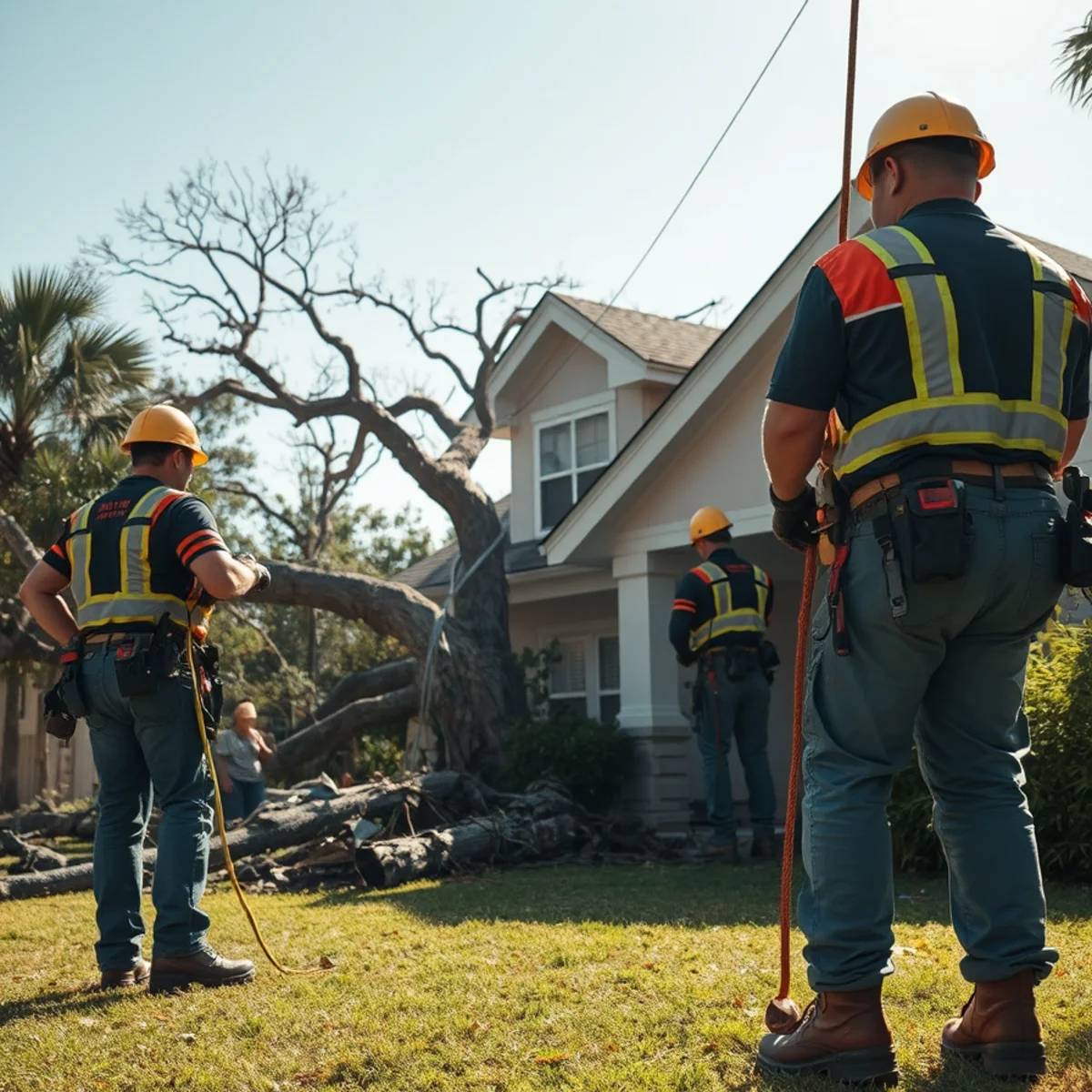
If a tree has breached your home's roof or walls, immediately evacuate family members and pets from rooms beneath the impact area. Fallen trees often remain balanced on delicate pressure points; walking inside the room can cause trusses to shift and drop thousands of pounds of timber into living areas.
Step 3: Capture Forensic Before-Photos for Your Adjuster
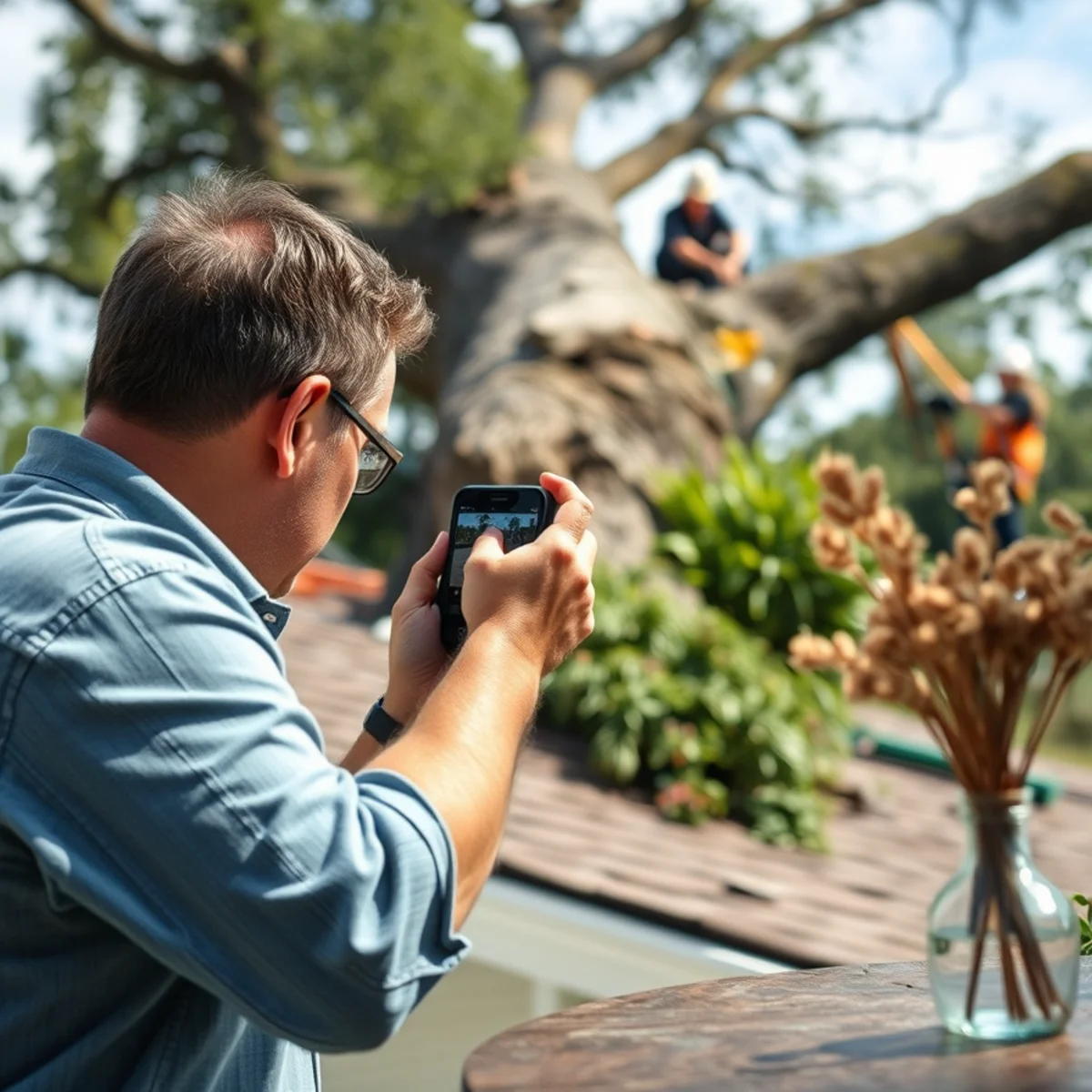
Before any chainsaw cut is made or branches are moved, take clear, timestamped photos from multiple safe angles. Capture wide shots showing the tree's position relative to the house, close-ups of roof punctures, and photos of the street address marker. This visual evidence prevents insurance claim disputes regarding pre-existing damage.
Step-by-Step Triage for Trees on Power Lines and Structures
Never approach a tree that is touching, leaning against, or entangled in utility wires. Even downed service drops can carry lethal electrical currents or energize chain-link fencing dozens of feet away. Immediately call LCEC or FPL first to de-energize the line before tree climbers or property owners step into the perimeter.
Documenting Damage for Insurance Adjusters and FEMA Claims
Before any chainsaws start cutting, take wide-angle and close-up photographs from multiple perspectives showing the root failure, the point of impact on roofs or pool cages, and structural cracks. Keep detailed records of emergency tarping, hazard tree removal invoices, and arborist risk assessments for rapid insurance claim reimbursement.
Professional Tree Care Standards & Real-World Tradeoffs
Managing mature trees across Lehigh Acres and Lee County presents challenges unique to Southwest Florida. With an annual rainfall average near 56 inches, high water tables, and saturated sandy subsoils, trees face structural root shear during summer microbursts and tropical storm cycles.
Cutting corners—whether through improper “hurricane cuts”, aggressive flush-cuts, or driving 30-ton bucket trucks across buried septic systems—inevitably leads to accelerated decay, pest infestations, or costly property repairs.
We maintain branch collar integrity and natural branch defense zones. We never top shade trees or remove more than 20–25% of live foliage in a single season.
Traditional rope-and-saddle access allows us to work inside fenced backyards, canal banks, and over pool enclosures without heavy machinery damaging sandy lawns or septic tanks.
Property Owner Action Plan & Maintenance Checklist
Essential verification steps recommended before and during Florida storm season:
| Inspection Phase | Action Item | Safety & Compliance Value |
|---|---|---|
| 1. Ground & Root Assessment | Check root flare for fungal conks, loose soil mounding, or decayed roots. | Identifies catastrophic root-plate instability before high winds. |
| 2. Clearance & Deadwood | Prune branches overhanging roofs, power lines, and pool lanai cages. | Prevents structural roof punctures and gutter abrasion. |
| 3. Canopy Aerodynamics | Selectively thin interior secondary branches to reduce wind drag. | Allows hurricane gusts to blow through without uprooting the tree. |
| 4. Precision Climbing | Engage licensed climbers utilizing friction lowering blocks. | Eliminates heavy crane ruts and guarantees zero lawn compaction. |
Related Services & Local Service Areas
Need assistance with this topic on your property? Explore our dedicated service and municipal location resources:
Questions & Answers About This Guide
Practical advice from experienced Florida tree workers.
Never attempt to cut trees off structures yourself. Fallen trees contain immense stored compression and tension that can snap violently, causing fatal injuries or crushing remaining roof trusses.
About T's Trees and Landscaping
T's Trees and Landscaping is Lehigh Acres' hometown tree care specialist, providing 15+ years of traditional rope-and-saddle climbing, zero lawn rutting, and 24/7 storm damage recovery across Lee County.
Call (855) 615-0568 for a Free Written QuoteProtect Your Home Before the Next Storm Hits
Get a free on-site hazard assessment from Lehigh Acres' traditional climbing specialists. Zero lawn rutting, zero septic tank damage, and 24/7 emergency response.