
Why You Must Remove Invasive Melaleuca and Brazilian Pepper from Your Property
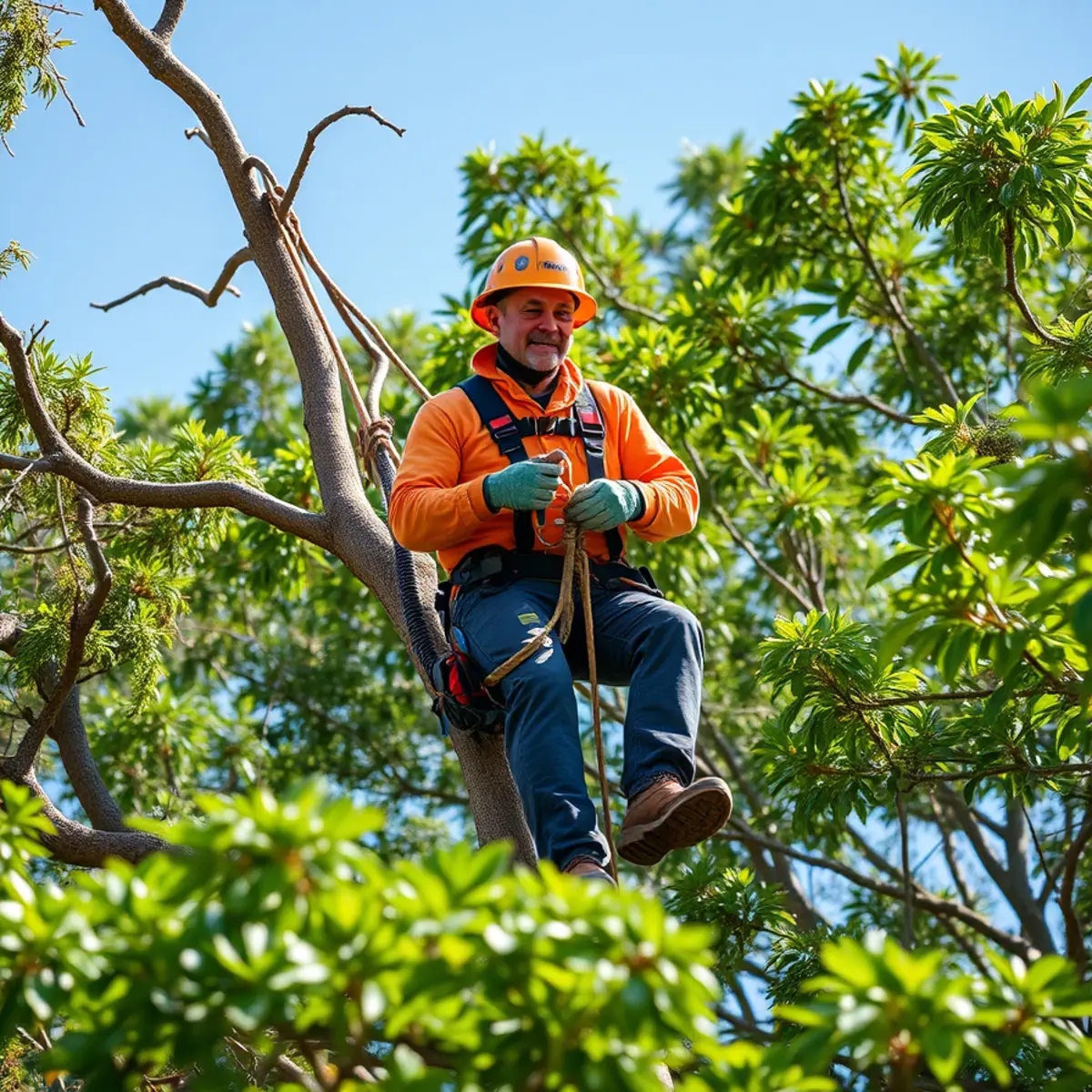
Imported in the early 20th century to drain the Everglades, Melaleuca (Melaleuca quinquenervia) and Brazilian Pepper (Schinus terebinthifolia) have metastasized into ecological catastrophes across Southwest Florida. In Lehigh Acres and Lee County, these invasive species colonize vacant parcels, invade backyard fence lines, and choke out desirable native trees.
Melaleuca: Wildfire Accelerant and Allergy Nightmare
Melaleuca trees produce thick, spongy white bark saturated with volatile aromatic essential oils. In a brush fire, melaleuca burns with explosive intensity, generating intense crown fires that ignite residential eaves. Furthermore, their airborne pollen and volatile oils cause severe respiratory distress and sinus flare-ups for local residents.
Brazilian Pepper: The 'Florida Holly' Poison Ivy Cousin
Belonging to the Anacardiaceae plant family (alongside poison ivy and sumac), Brazilian Pepper emits toxic sap that causes severe contact dermatitis and blisters. Its dense tangled canopies block 100% of sunlight, wiping out native vegetation and serving as breeding grounds for invasive rodents and mosquitoes.
Complete Eradication via Cut-Stump Herbicide Treatment
Simply cutting down Brazilian pepper is ineffective: it will aggressively sprout dozens of vigorous shoots from the stump within weeks. Professional removal requires immediate application of systemic triclopyr-based herbicides to the freshly cut cambium ring, translocating the active ingredient deep into root reserves.
Florida Ecological Impact: How Exotics Displace Native Habitats
Invasive species like Melaleuca (paperbark) and Brazilian pepper (Schinus terebinthifolia) spread aggressively via millions of wind- and bird-dispersed seeds. They consume thousands of gallons of groundwater daily, dry up wetlands, outcompete native slash pines and cabbage palms, and create dense monocultures that destroy local wildlife habitats.
Cut-Stump Herbicide Treatment Protocols for Permanent Eradication
Simply cutting an exotic tree down at the ground line will result in dozens of vigorous stump sprouts within weeks. To guarantee complete mortality, our crews apply systemic triclopyr or glyphosate herbicide directly to the active cambium layer of the freshly cut stump within 5 minutes of cutting, ensuring the chemical translocates into the deep root system.
Professional Tree Care Standards & Real-World Tradeoffs
Managing mature trees across Lehigh Acres and Lee County presents challenges unique to Southwest Florida. With an annual rainfall average near 56 inches, high water tables, and saturated sandy subsoils, trees face structural root shear during summer microbursts and tropical storm cycles.
Cutting corners—whether through improper “hurricane cuts”, aggressive flush-cuts, or driving 30-ton bucket trucks across buried septic systems—inevitably leads to accelerated decay, pest infestations, or costly property repairs.
We maintain branch collar integrity and natural branch defense zones. We never top shade trees or remove more than 20–25% of live foliage in a single season.
Traditional rope-and-saddle access allows us to work inside fenced backyards, canal banks, and over pool enclosures without heavy machinery damaging sandy lawns or septic tanks.
Property Owner Action Plan & Maintenance Checklist
Essential verification steps recommended before and during Florida storm season:
| Inspection Phase | Action Item | Safety & Compliance Value |
|---|---|---|
| 1. Ground & Root Assessment | Check root flare for fungal conks, loose soil mounding, or decayed roots. | Identifies catastrophic root-plate instability before high winds. |
| 2. Clearance & Deadwood | Prune branches overhanging roofs, power lines, and pool lanai cages. | Prevents structural roof punctures and gutter abrasion. |
| 3. Canopy Aerodynamics | Selectively thin interior secondary branches to reduce wind drag. | Allows hurricane gusts to blow through without uprooting the tree. |
| 4. Precision Climbing | Engage licensed climbers utilizing friction lowering blocks. | Eliminates heavy crane ruts and guarantees zero lawn compaction. |
Related Services & Local Service Areas
Need assistance with this topic on your property? Explore our dedicated service and municipal location resources:
Questions & Answers About This Guide
Practical advice from experienced Florida tree workers.
Yes. Lee County and many local municipalities can issue code enforcement notices requiring the eradication of Category 1 invasive species, especially when lots are being developed or cleared.
About T's Trees and Landscaping
T's Trees and Landscaping is Lehigh Acres' hometown tree care specialist, providing 15+ years of traditional rope-and-saddle climbing, zero lawn rutting, and 24/7 storm damage recovery across Lee County.
Call (855) 615-0568 for a Free Written QuoteProtect Your Home Before the Next Storm Hits
Get a free on-site hazard assessment from Lehigh Acres' traditional climbing specialists. Zero lawn rutting, zero septic tank damage, and 24/7 emergency response.